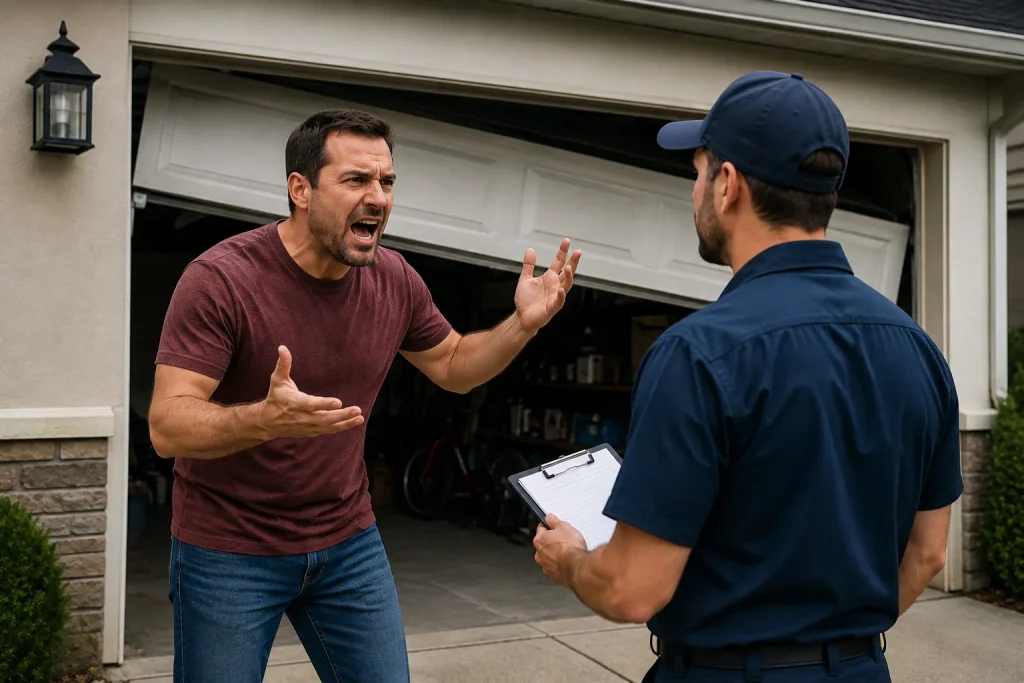
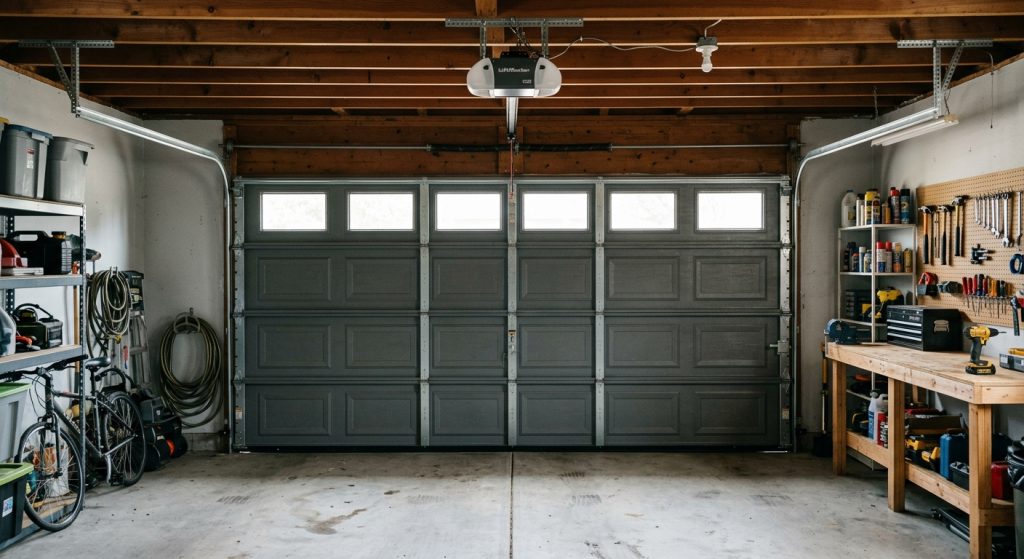
Garage doors need maintenance on a tiered schedule: a visual check and safety tests every month, track cleaning every quarter, lubrication every six months, and a professional tune-up once a year. Each interval targets a different part of the door, from the moving hardware to the full opener system, so nothing gets missed between visits.
A garage door’s springs, cables, and rollers work together under constant tension, so wear on one part often puts extra strain on nearby parts. Following a garage door maintenance schedule protects the investment already made in the door and its opener, rather than paying for emergency repairs later.
Key Takeaways
- A garage door needs monthly visual checks, quarterly cleaning, semi-annual lubrication, and annual professional tune-ups
- Regular garage door maintenance extends the life span of the springs, rollers, and opener system
- Skipping scheduled maintenance often leads to avoidable repairs that cost more than routine upkeep
- Unusual noises, slow movement, and sensor issues usually signal maintenance is already overdue
- Homes with frequent garage use should service the door more often than the standard schedule suggests
Why a Garage Door Maintenance Schedule Matters
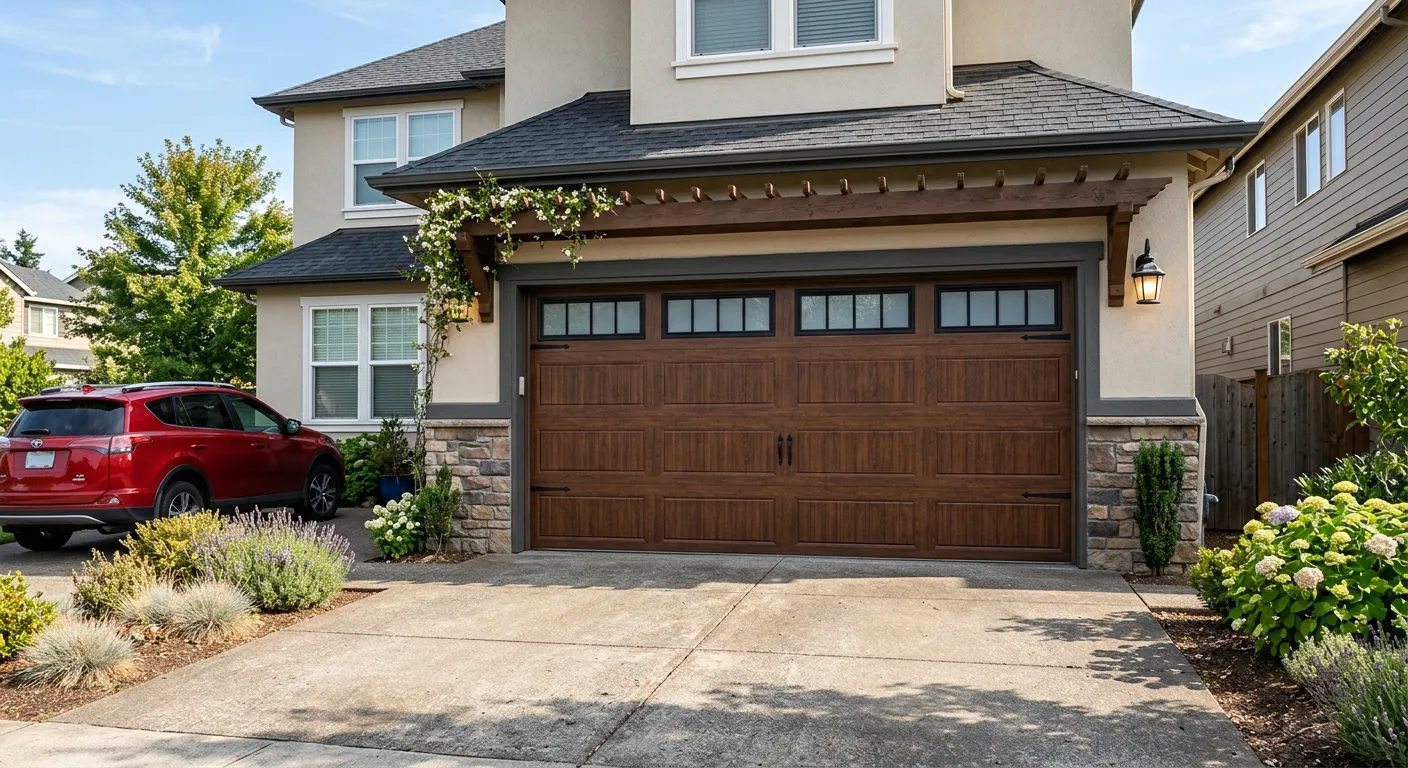
Regular garage door maintenance keeps the torsion springs, cables, and opener working in sync, lowering the risk of sudden failure during daily use.
Skipping that upkeep speeds up several forms of decline:
- Reduced curb appeal from a door that sags, squeaks, or sticks
- Higher energy loss through worn weatherstripping and loose seals
- Increased safety risk from failing sensors or unbalanced springs
- Slower response time from the opener and safety sensors
- Shorter life span for the door, opener, and hardware overall
Consistent, proactive service from a garage door company generally costs less over the door’s full life span than reactive repairs made after something fails.
How Often to Perform Garage Door Maintenance
Garage door maintenance breaks down into four intervals, each covering a different depth of care, from quick monthly checks to a full annual service call.
Frequency | Tasks | Purpose |
Monthly | Visual check, safety reversal test, balance test | Catches early wear and confirms safety features work |
Quarterly | Track cleaning, sensor cleaning | Prevents debris buildup from affecting smooth operation |
Semi-Annual | Lubrication, hardware tightening | Reduces friction and prevents loose parts from failing |
Annual | Professional tune-up, weatherstripping check | Confirms system-wide safety and seals against energy loss |
The tasks and reasoning behind every interval are broken down individually below:
Monthly
A monthly check takes only a few minutes but catches the earliest signs of wear before they affect how the door operates.
These checks cover the parts that show wear first:
- Inspect springs, cables, rollers, and tracks for wear, fraying, or rust
- Run the safety reversal test using a block of wood in the door’s path
- Perform a balance test by manually lifting the door halfway
- Listen for grinding or scraping sounds during a full open-close cycle
- Confirm the garage door opener responds immediately when the wall button is pressed
A few minutes of monthly attention catches the kind of wear that gets far more expensive to fix once it’s ignored.
Quarterly
Dust, pollen, and debris build up on the tracks and sensors every few months, even in a garage that stays mostly closed.
Quarterly cleaning targets the buildup that interferes with smooth movement:
- Wipe down the metal tracks to clear dirt, grit, and debris
- Clean the photo-eye safety sensors near the bottom of the door
- Check for any buildup that could interfere with smooth operation
- Remove cobwebs or debris from around the opener’s sensor eyes
- Wipe down the opener’s exterior housing and rail
Clean tracks and sensors to keep the door moving smoothly and the safety reversal feature responding the way it should.
Semi-Annual
Moving parts gradually lose lubrication, and hardware can work loose after enough cycles, both of which need attention twice a year.
A semi-annual visit typically includes the following:
- Lubricate the rollers, hinges, and torsion springs with a silicone-based product
- Tighten any loose bolts, nuts, or roller brackets on the frame
- Increase lubrication frequency for households using the door six or more times daily
- Check the bottom seal for gaps or compression
- Inspect cables for fraying near the drum and bottom bracket
To learn how to perform each of these semi-annual maintenance tasks correctly, read our guide on How to Properly Maintain a Garage Door, which breaks down the specific tools and techniques involved for each one.
Annual
A full annual visit by a licensed technician typically uncovers deeper issues that routine homeowner checks cannot identify.
An annual professional visit generally covers the following:
- Schedule a professional tune-up covering spring tension, cables, drums, and opener mechanics
- Inspect and replace worn or cracked weatherstripping around the door’s edges
- Confirm all safety features meet current standards during the inspection
- Test the opener’s force settings against current safety guidelines
- Check the overall balance and alignment of the full door system
An annual tune-up from a licensed technician reveals the deeper wear that routine monthly and quarterly checks typically overlook.
Signs Garage Door Maintenance Is Overdue
A garage door typically gives clear warning through unusual noise, uneven movement, or increased effort well before a major failure occurs.
Watch for the following signs that a maintenance visit is overdue:
- Grinding or squealing noises coming from the tracks or rollers
- Visible rust or fraying on the cables and springs
- A door that hesitates or moves unevenly during operation
- Increased effort needed to lift the door manually
- A remote or wall switch that responds slower than usual
To explore the full list of warning signs and what each one typically means, read our guide on Signs of Overdue Garage Door Maintenance, which walks through every indicator and what it usually points to.
Problems Caused by Skipping Garage Door Maintenance
Ignoring a maintenance schedule can lead to sudden spring failure, strain on the opener, or a full system breakdown over time.
Skipped maintenance commonly leads to the following outcomes:
- Torsion springs failing without warning during regular use
- Opener motors burning out from working against increased resistance
- Higher energy bills from worn seals and weatherstripping
- Costly garage door repairs that could have been avoided with routine upkeep
- Uneven wear that shortens the life span of the entire door system
To understand exactly how neglected maintenance turns into these larger issues, read our guide on Problems Caused by Skipping Garage Door Maintenance, which walks through each consequence in detail.
When to Call a Professional for Garage Door Maintenance
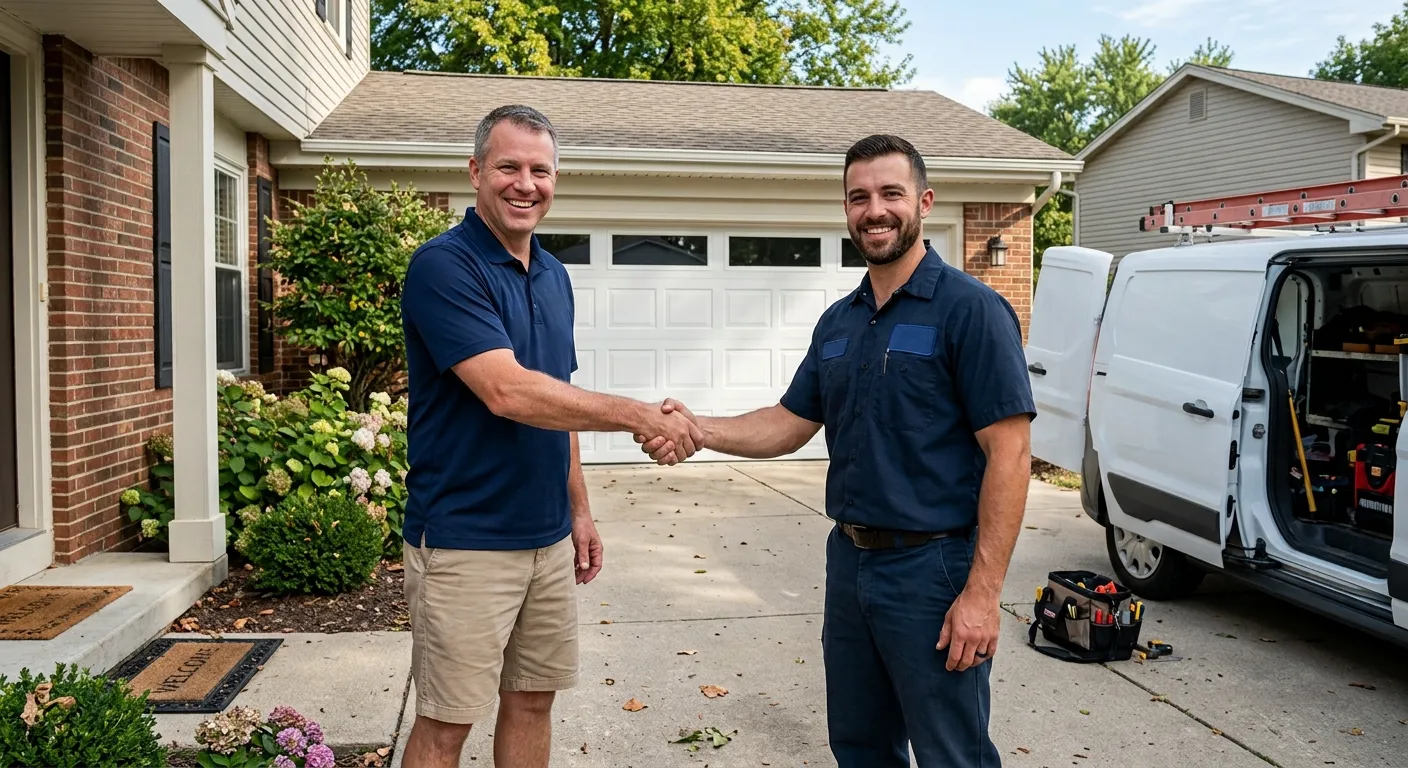
Torsion spring adjustments and similar high-tension repairs carry a high risk of injury and require a licensed technician.
Call a professional when any of the following apply:
- The door needs spring adjustment, repair, or replacement
- Cables show visible fraying, rust, or damage near the drum
- The door sits off track or will not stay balanced when lifted
- Safety sensors fail to respond during a reversal test
- The opener runs but cannot fully lift or lower the door
Ignoring these warning signs for too long often turns what should have been a routine repair visit into a full garage door replacement.
Keep a Consistent Garage Door Maintenance Schedule
A garage door rewards regular attention with a longer lifespan, quieter operation, and noticeably fewer surprise repair bills down the road. Homeowners who follow a routine maintenance schedule consistently spend less money over time than those who wait until a problem finally forces the decision.
Anytime Garage Doors serves homeowners throughout Kansas City, MO, offering routine maintenance and repair services focused on identifying small issues before they grow into larger ones. Contact us or give us a call today to schedule a maintenance visit and keep the door running safely for years to come.