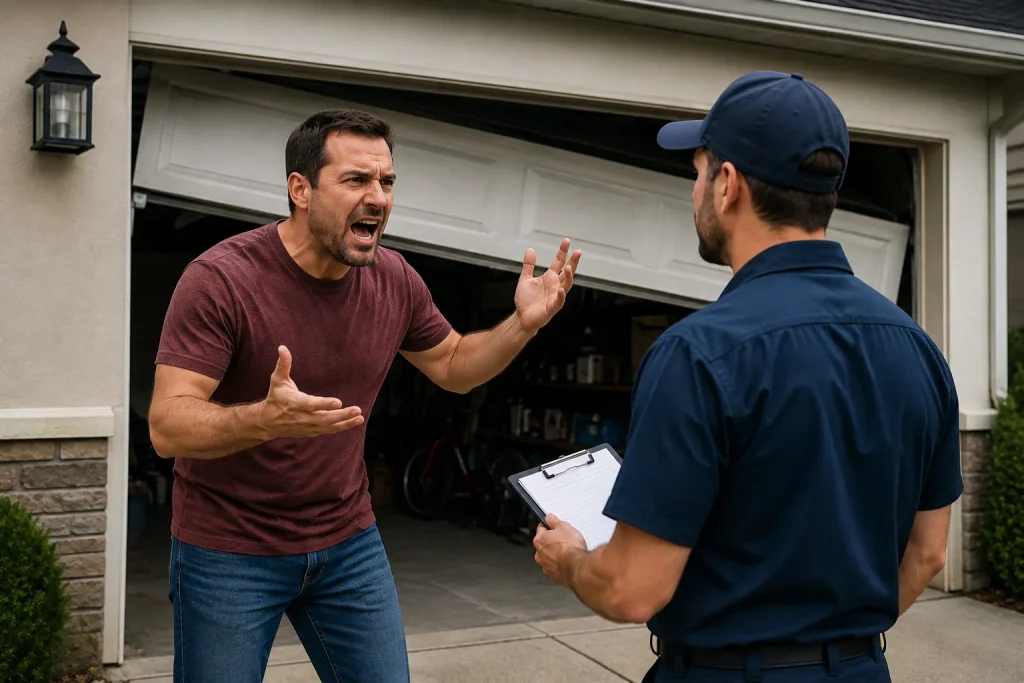
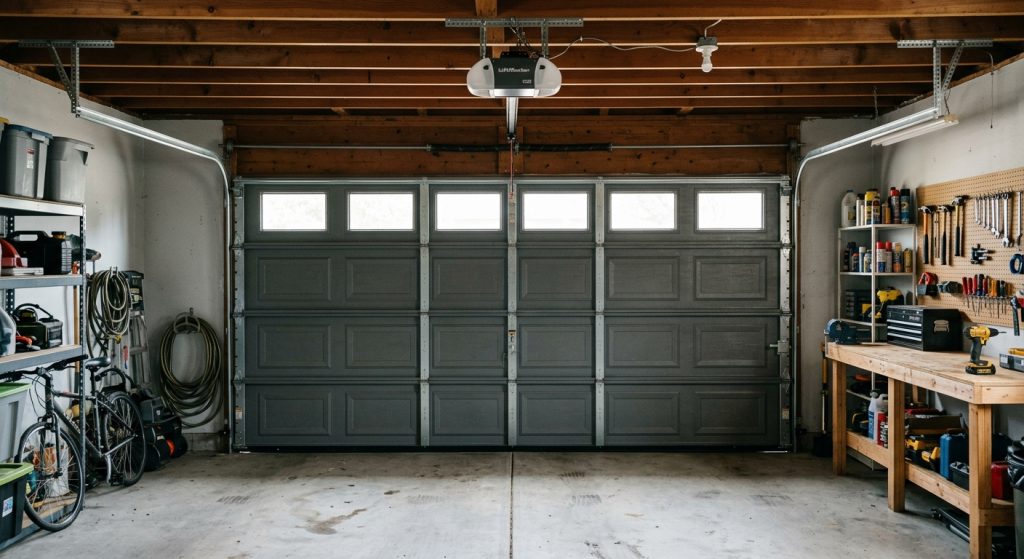
Proper garage door maintenance involves five core tasks: a visual inspection, cleaning and balancing, lubrication, safety testing, and track care. Working through each one on a regular schedule keeps the door operating smoothly and prevents most avoidable repairs before they start.
Following garage door maintenance correctly means far more than giving the door a quick glance once or twice a year and calling the job done for the rest of the season. Each individual task below plays its own specific, distinct role in keeping the entire garage door system safe, quiet, and efficient across its full expected life span.
Key Takeaways
- A visual inspection catches signs of wear before they turn into bigger problems
- Cleaning and balancing keep the door moving the way it was designed to
- The right lubricant protects torsion springs, rollers, and hinges from constant movement wear
- Safety testing confirms the auto-reverse and sensors are working correctly
- Track care prevents rust and debris from affecting smooth operation
Step by Step Guide on How to Maintain a Garage Door
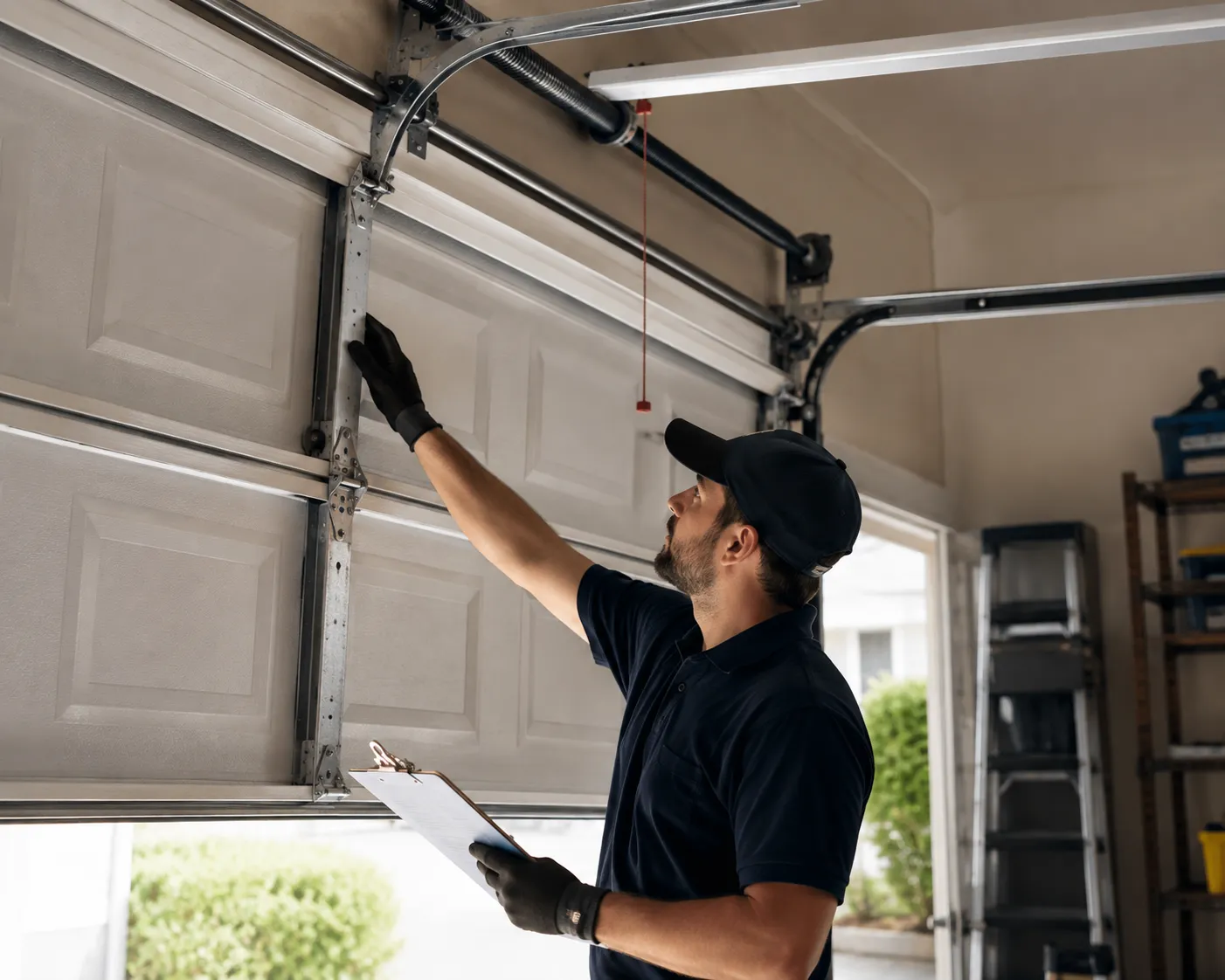
A repeatable maintenance routine depends on covering the door’s hardware, moving parts, and safety features consistently.
The table below breaks down what each task involves and why it matters:
Task | What It Involves | Why It Matters |
Visual Inspection | Checking springs, cables, rollers, and tracks | Catches minor issues before they grow |
Cleaning and Balancing | Washing panels, testing balance | Confirms smooth operation |
Lubrication | Greasing moving parts | Reduces friction and loud noises |
Safety Testing | Testing auto-reverse and sensors | Confirms safety features work |
Track Care | Clearing debris, preventing rust | Protects long-term ease of access |
Following these five tasks in the order below builds a complete, repeatable routine instead of a random checklist.
Visual Inspection
A quick visual inspection takes only a few minutes but reveals most of the early warning signs a garage door will show.
This task typically includes the following steps:
- Look at springs, cables, rollers, and pulleys for signs of wear, rust, or fraying
- Check the metal tracks for dents, bends, or gaps where they meet the wall
- Tighten any loose bolts, nuts, and roller brackets using a socket wrench
- Note any unusual noises heard during a full open-close cycle
- Compare the door’s current condition to how it looked during the last inspection
To understand exactly how often this kind of inspection should happen throughout the year, read our guide on How Often Do Garage Doors Need Maintenance, which lays out the full recommended schedule for every task on this list.
Cleaning and Balancing
Cleaning and balancing work together, since a clean door is easier to inspect and a balanced door puts far less strain on the opener.
This task typically includes the following steps:
- Wash the door panels with mild soap and water, then rinse with a garden hose
- Use a gentle car wash soap instead of harsh cleaners on steel or wood doors
- Disconnect the automatic opener by pulling the red emergency release cord
- Lift the door halfway by hand and check that it stays in place
- Reconnect the opener only after confirming the door holds its position
A door that fails the balance test during this step often needs a garage door spring installation or adjustment before continuing with the rest of the checklist.
Lubrication
Lubrication protects every moving part on the door from the friction that builds up with regular upkeep and daily use.
This task typically includes the following steps:
- Apply a silicone- or lithium-based grease to the springs, rollers, hinges, and pivot points
- Avoid using standard WD-40, since it strips away factory grease and attracts dirt
- Wipe away any excess drips with a clean cloth after application
- Work the door through a few open-close cycles to spread the lubricant evenly
- Check door springs and hinges again after a few cycles for any dry spots missed
Consistent lubrication is one of the simplest ways to extend the life of your door and reduce the strain that dry, resistant parts put on the garage door opener.
Safety Testing
Safety testing confirms that the door’s protective features are actually working before an emergency puts them to the test.
This task typically includes the following steps:
- Test the auto-reverse mechanism using a roll of paper towels or a piece of wood
- Wave an object in front of the safety sensors while the door closes
- Confirm the door reverses immediately once it detects the object
- Clean the lenses on the sensors with a soft, dry cloth
- Repeat the test after cleaning to confirm the sensors respond correctly
To see what happens when these safety features are neglected for too long, read our guide on Problems Caused by Skipping Garage Door Maintenance, which covers sensor failure and auto-reverse issues in detail.
Track Care
Track care keeps the rollers moving smoothly and prevents rust from building up in a part of the door most homeowners rarely look at closely.
This task typically includes the following steps:
- Clear dirt, leaves, and small stones out of the bottom and vertical tracks
- Use a damp rag to wipe down the full length of both tracks
- Keep the tracks dry after cleaning to prevent rust buildup
- Check for any bends or gaps where the track meets the wall bracket
- Confirm the rollers move freely along the full length of the track afterward
To review the specific warning signs that point to a garage door issue in the tracks themselves, read our guide on Signs of Overdue Garage Door Maintenance, which covers this exact topic in more detail.
Knowing Your Limits With DIY Garage Door Maintenance
Knowing where the line sits between safe, everyday upkeep and specialized repair work protects both the door and the person working on it.
These tasks call for a trained professional instead of a DIY approach:
- Adjusting or replacing torsion springs, which store enough tension to cause serious injury
- Repairing frayed lifting cables that can snap suddenly under the door’s full weight
- Realigning a door off its track, which risks the door falling if handled incorrectly
- Replacing failed safety sensors, since improper wiring can disable the auto-reverse feature
- Servicing the opener’s internal motor, which involves electrical components and voided warranties if opened
A garage door repair technician can safely handle any of these tasks without the injury risk that comes with attempting them alone.
Build a Habit Around Garage Door Maintenance
A consistent garage door maintenance schedule turns visual inspection, cleaning, lubrication, safety testing, and track care into a quick, routine habit instead of an occasional scramble after something breaks. Homeowners who stay consistent with this checklist typically spend far less on repair costs over the door’s full life span.
Anytime Garage Doors supports homeowners throughout Kansas City, MO, offering professional service for the specific tasks best left to a trained, licensed technician who understands the risks involved. Contact us or give us a call today to schedule a visit and keep the entire maintenance routine on track for years to come.