Chain, belt, screw, and direct drive each move a garage door using a completely different mechanism. Noise level, maintenance needs, and lifting strength vary significantly between the four, even though every garage door opener ultimately does the same job.
A spec sheet leaves out how loud a chain drive actually sounds at ten at night or how little upkeep a screw drive genuinely needs day to day. This piece breaks down what separates the four mechanisms in real daily use, plus which option best fits each type of household.
Key Takeaways
- Chain drive openers offer strong lifting power but produce the most noise.
- Belt drive openers run quieter, using a rubber belt instead of metal.
- Screw drive openers involve fewer moving parts and need less upkeep overall.
- Direct drive openers move the motor itself for the quietest possible operation.
- Household priorities around noise, budget, and maintenance should guide the final pick.
Types of Drive Systems for Garage Door Openers
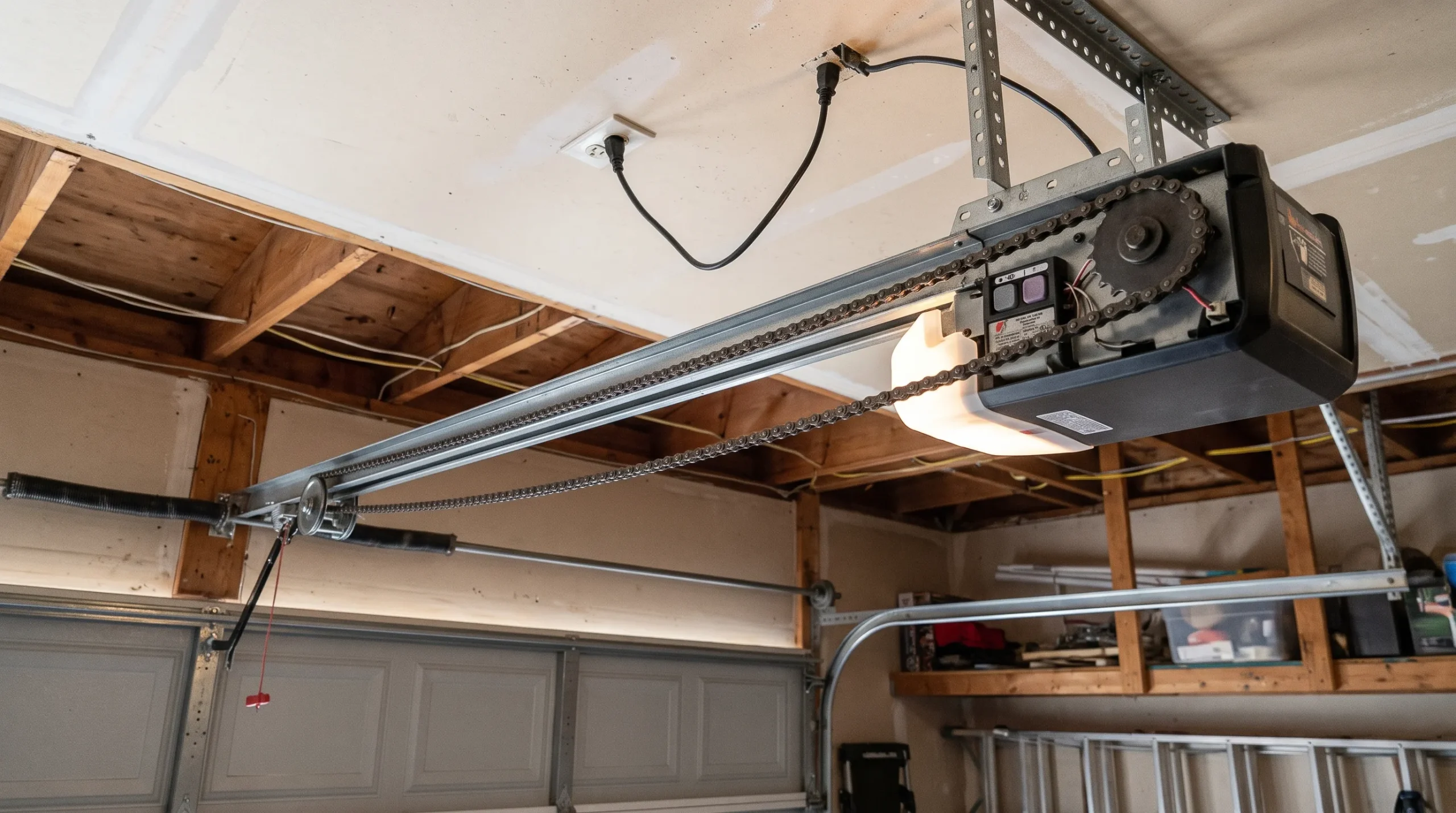
The mechanism you choose early shapes every decision that follows, from noise expectations to long-term upkeep requirements.
Drive Type | Mechanism | Noise Level | Best For |
Chain Drive | Metal chain pulls the trolley | Loudest option | Heavy doors, detached garages |
Belt Drive | Rubber belt replaces the chain | Quiet operation | Attached garages, bedrooms nearby |
Screw Drive | Threaded steel rod moves the trolley | Moderate noise | Low-maintenance households |
Direct Drive | Motor head travels the track | Quietest option | Households prioritizing silence |
Household noise tolerance and daily habits around the garage together tend to point toward the right choice, especially once garage door installation begins.
Chain Drive
Metal chains have powered garage door openers longer than any other mechanism, and the design still delivers reliable lifting strength for heavier doors.
Chain drive systems come with these specific characteristics:
- Highest lifting capacity among all four common drive types.
- Louder operation compared with belt or direct drive systems.
- Lower upfront cost than most belt- or direct-drive models.
- Durable construction that holds up well under frequent use.
- Best suited for detached garages away from living space.
To confirm this lifting strength actually matches a specific door’s weight, read our guide on How to Choose a Garage Door Opener, which walks through the exact steps for matching an opener to any door.
Belt Drive
Rubber belts replace the metal chain entirely, significantly reducing vibration and noise compared with older chain-driven systems.
Belt drive systems come with these specific characteristics:
- Quiet operation well suited for garages near bedrooms.
- Smooth movement with less vibration transferred through the structure.
- A slightly higher upfront cost than a comparable chain-drive model.
- Long lifespan when paired with routine garage door maintenance.
- Common choice for attached garages throughout residential neighborhoods.
Quiet operation alone rarely justifies the added cost for every household, though homes near shared living space benefit considerably.
Screw Drive
Threaded steel rods move the trolley directly, resulting in a mechanism with fewer moving parts than chain or belt systems.
Screw drive systems come with these specific characteristics:
- Fewer parts overall, reducing the number of things that wear out.
- Moderate noise level, louder than belt but quieter than chain.
- Lower maintenance needs due to the simpler mechanical design.
- Sensitivity to temperature extremes affecting lubrication and movement.
- Solid middle-ground option between cost and performance.
To calculate whether this mechanism delivers enough lifting power for a specific door, read our guide on Horsepower and Lift Capacity for a New Garage Door Opener, which covers the math behind matching motor strength to door weight.
Direct Drive
A moving motor head travels along the track itself, eliminating the chain, belt, or screw mechanism entirely for the quietest available operation.
Direct drive systems come with these specific characteristics:
- Quietest operation of the four common drive mechanisms available.
- Fewer moving parts than chain or belt systems overall.
- Higher upfront cost reflecting the more advanced mechanical design.
- Minimal vibration transferred through the garage structure during operation.
- Often paired with additional smart technology integration as standard.
To decide whether the added smart features paired with this drive type justify the cost, read our guide on Smart Features Worth Considering in a Garage Door Opener, which covers which upgrades genuinely improve daily use.
Choosing the Right Drive Type for Your Home
Household priorities around noise, budget, and long-term upkeep tend to point fairly clearly to one drive type over the others.
Weigh these priorities before settling on a specific mechanism:
- Bedroom proximity to the garage, favoring belt or direct drive.
- Budget constraints, favoring chain drive for lower upfront cost.
- Door weight, favoring chain or screw drive for lifting strength.
- Maintenance tolerance, favoring screw or direct drive for simplicity.
- Long-term plans, since a mismatched system often leads to a garage door repair call sooner than expected.
A mechanism chosen around genuine household priorities tends to perform reliably for years without becoming a source of regret.
Household Priorities Decide the Right Drive Type
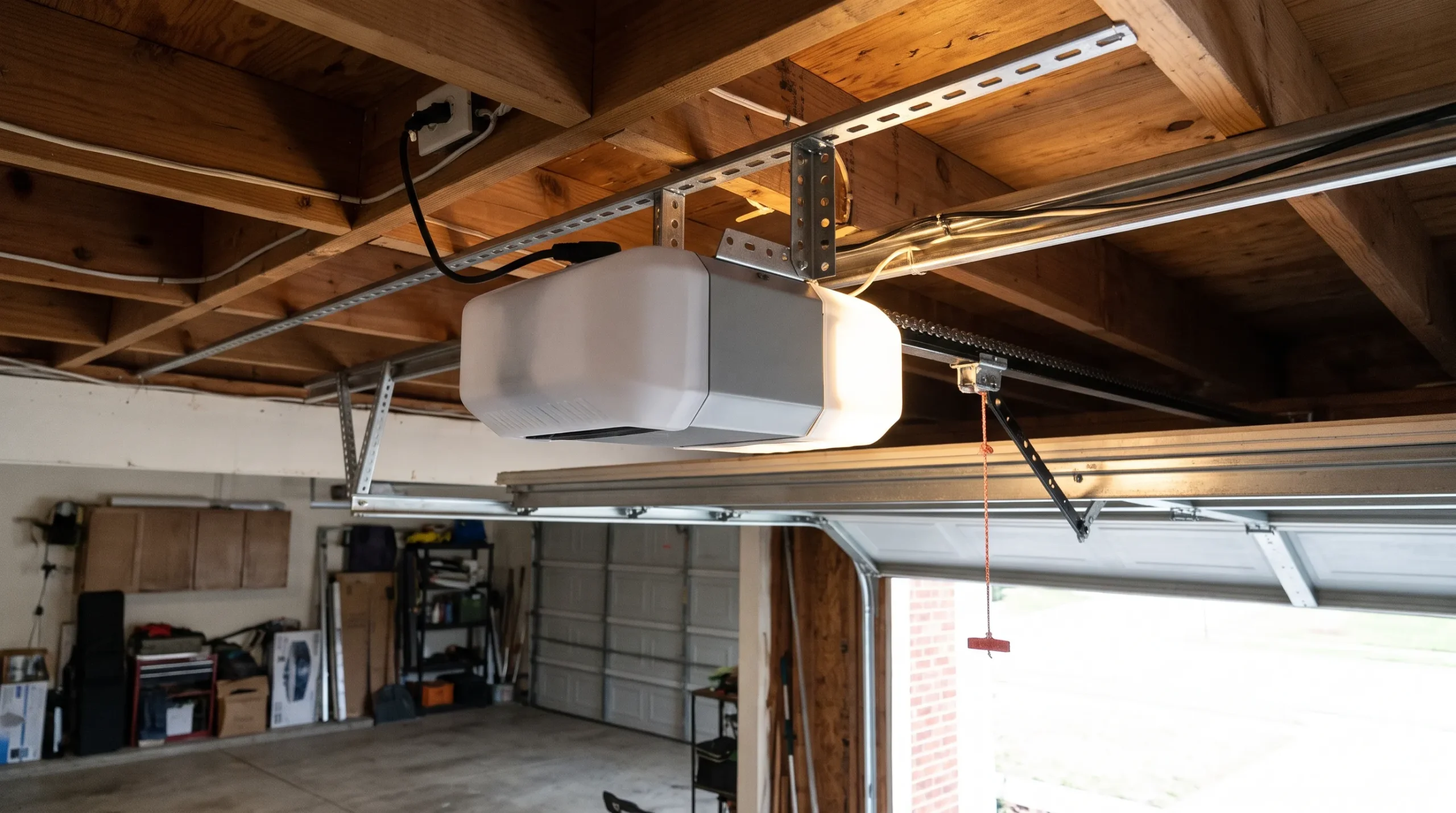
Chain, belt, screw, and direct drive systems each solve the same basic problem in different mechanical ways, and the right choice comes down to which tradeoffs a household is willing to accept. Noise tolerance, budget, and door weight together point toward the specific mechanism that ultimately fits a given household best.
Anytime Garage Doors walks customers through every mechanism honestly and in detail, without pushing the highest-priced option across Kansas City. Contact us or give us a call today, and a team member will carefully compare every tradeoff before you make a final decision.