Picking the right garage door opener comes down to four factors: drive type, horsepower, safety features, and smart connectivity. Getting any one of these wrong usually means dealing with excess noise, a struggling motor, or a system that never quite lives up to expectations.
Comparing options side by side before buying prevents a costly mismatch between the opener and the door it needs to lift. This guide walks through the opener types available, the factors that actually affect performance, and the exact steps to take before making a final decision.
Key Takeaways
- Drive type most affects noise level, maintenance needs, and long-term reliability.
- Horsepower ratings must match the door’s actual weight, not just its size.
- Safety features like auto-reverse protect against injury during daily operation.
- Smart connectivity adds remote access, but it is not required for basic function.
- Professional installation confirms proper setup and validates the manufacturer’s warranty.
Why Does the Right Opener Choice Matter?
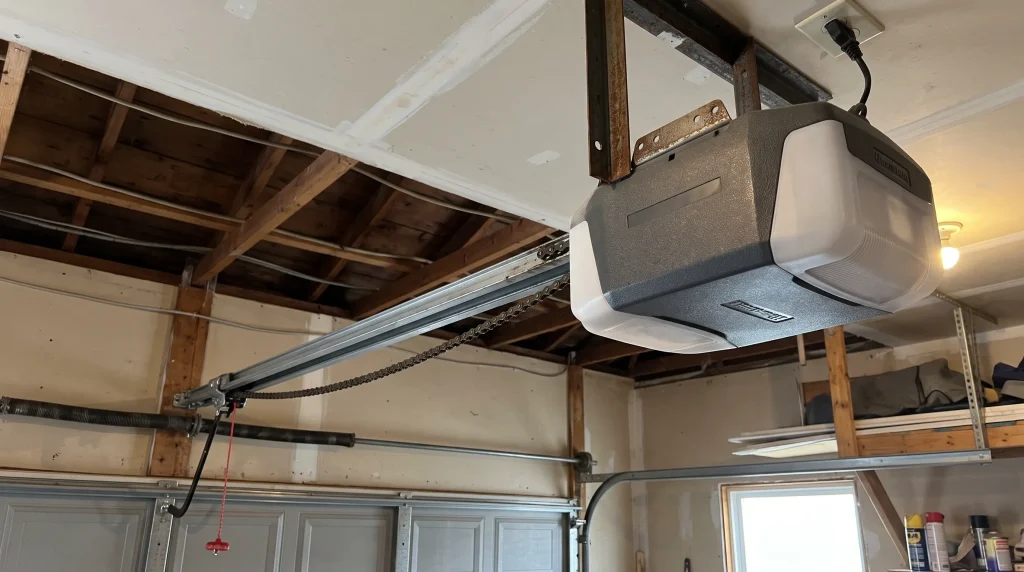
Garage door opener mismatches strain the motor and wear down parts far faster than a system properly sized for the job.
These outcomes are common when the wrong opener gets installed:
- Excess noise from a motor working harder than it should.
- Premature wear on the chain, belt, or drive system.
- Frequent maintenance calls tied directly to the wrong horsepower rating.
- Reduced safety performance from outdated or missing auto-reverse features.
- Lower resale value tied to an outdated or unreliable opener.
Choosing the right opener the first time avoids years of frustration with a system that was never built for the door above it.
Types of Garage Door Openers
Drive systems trade off differently on noise, maintenance needs, and lifting strength, so the choice is more than a matter of price.
Drive Type | How It Works | Best For |
Chain Drive | A metal chain pulls the trolley along the track | Heavy doors needing maximum lifting strength |
Belt Drive | A rubber belt replaces the chain for quieter operation | Homes with living space above or near the garage |
Screw Drive | A threaded steel rod moves the trolley directly | Low-maintenance operation with fewer moving parts |
Direct Drive | A moving motor head travels the track itself | Quiet operation with minimal vibration |
To distinguish between these four mechanisms in more depth, read our guide on Drive Types to Consider When Choosing a Garage Door Opener, which walks through the tradeoffs between chain, belt, screw, and direct drive systems.
Factors That Affect Opener Performance
Specific factors beyond drive type determine how well an opener performs once installed and running daily.
Weigh these factors before settling on a specific model:
- Horsepower rating relative to the door’s actual weight and size.
- Noise level tolerance based on the garage’s proximity to living space.
- Battery backup availability for continued operation during power outages.
- Smart technology integration for remote access and monitoring capability.
- Warranty length and what it actually covers on parts and labor.
Price alone rarely predicts long-term satisfaction, so weighing these factors together usually produces a much better outcome.
Steps to Choosing the Right Garage Door Opener
Measure the Door Weight and Size
Accurate measurements form the foundation for every other opener decision, including any future garage door installation work.
Take these measurements before comparing any opener models:
- Weigh the door directly using a bathroom scale and a helper.
- Measure the door’s width and height in inches.
- Note the available overhead space for the opener’s mounting rail.
- Check the ceiling height clearance needed for the motor unit.
- Record the door’s material, since wood weighs more than steel.
Getting precise numbers upfront prevents the frustration of returning an opener that was never strong enough for the job.
Set a Realistic Budget
Budgets for garage door openers vary widely based on drive type, horsepower, and how many smart features get included.
Plan a budget that accounts for these specific costs:
- The opener unit itself, priced by drive type and horsepower.
- Professional installation labor, which varies by local market rates.
- Additional smart accessories, such as keypads or smartphone-compatible modules.
- A battery backup unit, often sold as a separate add-on.
- Long-term maintenance costs tied to the chosen drive system.
Setting these numbers early prevents settling for an underpowered opener just to stay comfortably within an arbitrary price point set too low.
Compare Horsepower Ratings
Horsepower ratings determine whether an opener can lift a specific door reliably, without straining the motor on every cycle.
Compare these horsepower considerations before finalizing a purchase:
- Standard doors typically need a lower horsepower rating than oversized doors.
- Heavier doors made of wood or insulated steel require additional lifting power.
- An underpowered motor works harder and wears out significantly faster.
- Oversized horsepower ratings rarely cause problems beyond added cost.
- Manufacturer specifications usually list the recommended horsepower for each door type.
To calculate the exact rating a specific door needs, read our guide on Horsepower and Lift Capacity for a New Garage Door Opener, which walks through the math behind matching motor strength to door weight.
Decide on Smart Features
Smart features add convenience through remote access, but the additions rarely affect an opener’s core lifting performance.
Weigh these smart feature options before adding them to the budget:
- Smartphone app control to open and close the door remotely.
- Voice assistant compatibility with platforms like Google Assistant or Amazon Alexa.
- Battery backup integration paired with smart monitoring and alerts.
- Rolling access code technology to prevent signal interception.
- Camera integration for real-time remote garage viewing.
To decide which specific additions genuinely improve daily use around the home, read our guide on Smart Features Worth Considering in a Garage Door Opener, which covers exactly which upgrades are worth the added cost.
Confirm Installation and Warranty Terms
Warranty coverage and installation quality determine how long an opener performs reliably once it’s mounted and running.
Confirm these details before the installation date arrives:
- Whether installation is included in the purchase price or billed separately.
- The exact length of the manufacturer’s warranty on parts and labor.
- Whether DIY installation voids any portion of the warranty coverage.
- What upkeep is required to preserve warranty terms, such as routine garage door maintenance.
- Who handles warranty claims if a defect shows up after installation.
Warranty terms confirmed in writing protect the investment long after the installation crew has already left the property.
Common Mistakes When Choosing an Opener
Time pressure during a rushed buying process often leads to the same handful of avoidable mistakes, again and again.
Watch for these common mistakes during the buying process:
- Buying based on price alone without checking the horsepower rating.
- Overlooking noise level entirely when the garage sits near a bedroom.
- Choosing a system that leads to a garage door repair call within months.
- Ignoring battery backup, then losing access during a power outage.
- Leaving the warranty terms unread entirely before completing the purchase.
Avoiding these specific mistakes upfront saves both money and the frustration of researching a replacement sooner than expected.
Final Checks Before Buying a Garage Door Opener
A few quick checks completed right before purchase confirm the opener genuinely fits the door and the household’s daily needs.
Run through these final checks before completing the purchase:
- Confirm the horsepower rating matches the door’s measured weight.
- Verify the drive type fits the household’s noise tolerance.
- Check that smart features align with how the household actually lives.
- Confirm installation and warranty terms are documented in writing.
- Compare the final choice against at least one other model.
Reviewing these points carefully confirms the decision holds up completely before any real money ever changes hands.
The Right Opener Balances Power, Noise, and Reliability
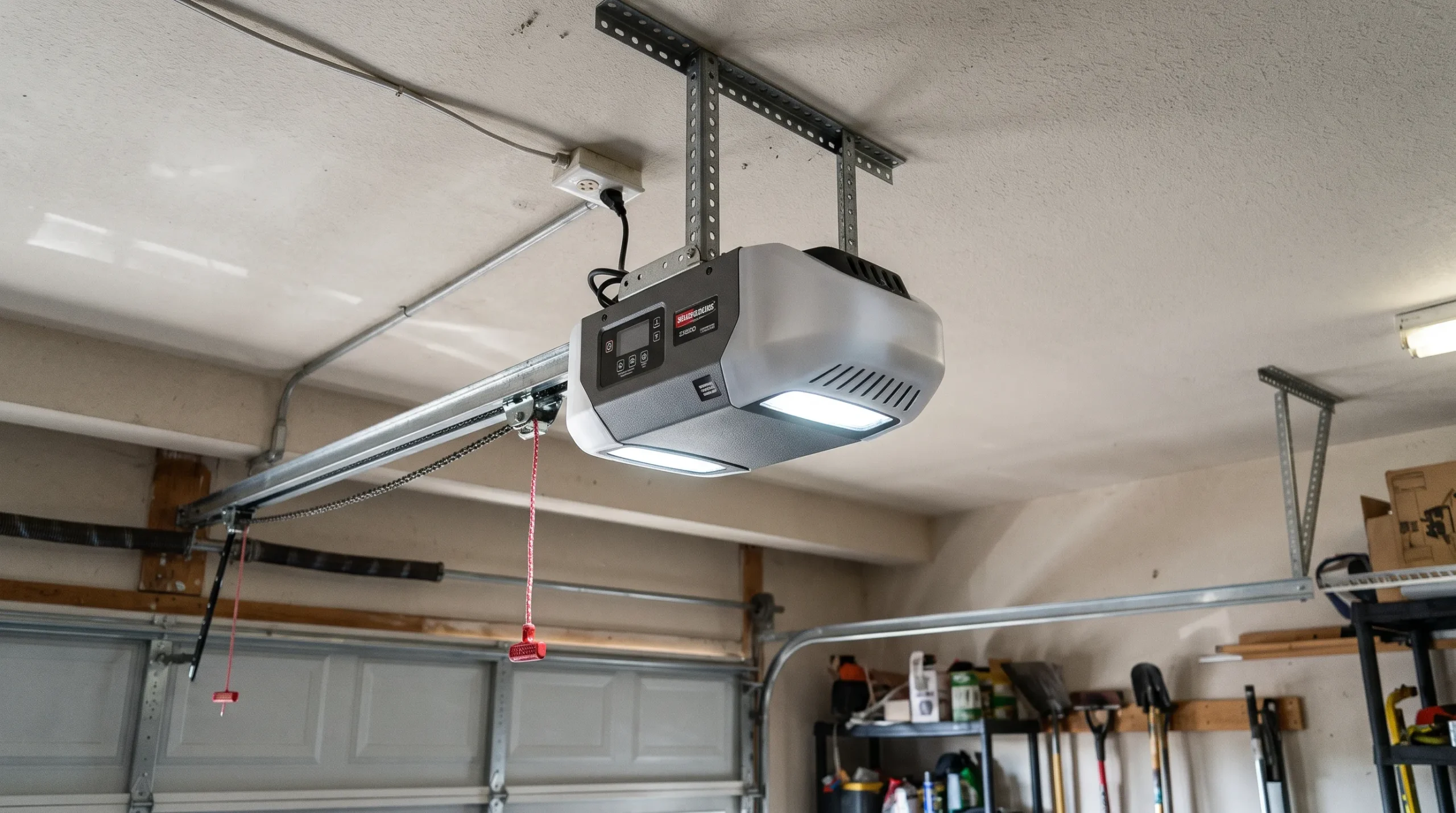
Choosing a garage door opener comes down to matching horsepower to door weight, picking a drive type that fits household noise tolerance, and deciding which smart features genuinely add value. Every other consideration builds on getting those three fundamentals right from the start.
Anytime Garage Doors helps Kansas City homeowners compare opener options side by side before finalizing any purchase decision, no matter the door size. Contact us or give us a call today to talk through which opener best fits the door, the budget, and the entire household over the long run.